You Won't Believe These Secret Sides of Mykonos
Mykonos isn’t just beach clubs and party vibes—it’s a island of surprising contrasts. From hidden windmill lanes to quiet coves far from the crowds, I discovered sides of Greece most travelers never see. This guide breaks down the island into theme areas that match your mood, whether you’re chasing sunset magic or authentic village charm. Trust me, there’s way more beneath the surface. While the island has earned its reputation as a glamorous Mediterranean hotspot, the true soul of Mykonos lives in its quieter moments: the scent of jasmine drifting through narrow alleys, the sound of waves lapping against a secluded shore, and the warmth of locals serving food made with generations-old recipes. This is not just a destination for the young and restless—it’s a place where women in their thirties, forties, and beyond can rediscover peace, beauty, and a sense of personal renewal.
The Postcard Heart: Chora’s White-Washed Wonderland
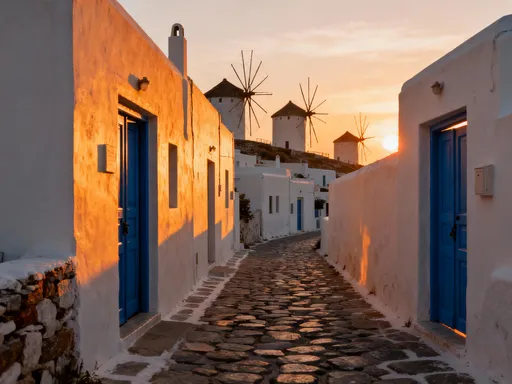
At the center of Mykonos lies Chora, the island’s capital, often referred to as Mykonos Town. With its iconic whitewashed buildings, cobalt-blue doors, and labyrinthine streets, Chora feels like a living postcard. The architecture follows the Cycladic tradition, designed to reflect the sun and keep interiors cool, but its charm goes beyond practicality. Every corner offers a new photo opportunity—the curve of a staircase, a blooming bougainvillea spilling over a wall, or a tiny chapel tucked between shops. The famed windmills along the waterfront, originally built in the 16th century by the Venetians, once powered the island’s grain production and now stand as enduring symbols of Mykonos’ resilience and heritage.
Yet, visiting Chora requires strategy. The town swells with cruise ship passengers and day-trippers between 11 a.m. and 4 p.m., making narrow alleys uncomfortably crowded. For a more peaceful experience, arrive early in the morning when the light is soft and the streets are nearly empty. This is the perfect time to enjoy a quiet coffee at a local favorite like Kafeneio or Armenistis, where you can sip a freddo cappuccino while watching fishermen unload their morning catch. By avoiding peak hours, you gain access to a more intimate side of the town—one that feels lived-in rather than performed.
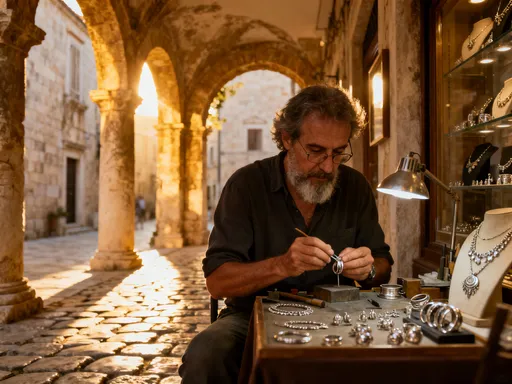
Chora is also home to a surprising number of small museums and cultural spots. The Archaeological Museum of Mykonos houses artifacts from the nearby sacred island of Delos, while the Maritime Museum traces the island’s deep connection to the sea. Families and solo travelers alike appreciate the Folklore Museum, which displays traditional clothing, household items, and tools that offer a window into daily life a century ago. These quieter attractions provide balance to the bustling shopping streets lined with boutiques and jewelry stores.
Walking through Chora, it’s easy to get lost—and that’s part of the charm. The maze-like layout was historically designed to confuse pirates, but today it invites exploration. Locals often navigate by landmarks rather than street names, and part of the joy is discovering hidden courtyards, family-run bakeries, and quiet squares where elderly residents play backgammon under the shade of plane trees. For visitors, this means embracing a slower pace and allowing yourself to wander without a map. The journey becomes as meaningful as the destination.
Beach Vibes, Different Flavors: Matching Sands to Your Style
Mykonos is renowned for its beaches, but not all shores are created equal. Understanding the personality of each beach helps travelers choose the right fit for their mood and travel style. The island’s coastline offers a spectrum of experiences—from vibrant beach clubs with DJs to secluded coves where silence is broken only by the lapping of waves. Whether traveling with family, a partner, or solo, knowing what each beach provides in terms of amenities, crowd energy, and accessibility makes all the difference.
Paradise and Super Paradise beaches are often associated with the island’s party reputation. These shores draw younger crowds seeking music, cocktails, and social energy. Beach clubs like Santanna and Nammos operate like open-air lounges, offering sunbeds, wait service, and international cuisine. While lively, these spots can be overwhelming for those seeking relaxation. A better approach is to visit earlier in the day—before noon—when the atmosphere is calmer and the sea is ideal for swimming. By late afternoon, the music volume rises, and the energy shifts toward celebration.
For families and travelers preferring a more balanced beach experience, Platys Gialos offers a welcoming alternative. This long, gently sloping beach is one of the most accessible on the island, with easy entry into the water and plenty of shade from umbrellas and trees. Numerous tavernas line the shore, serving grilled fish, Greek salads, and fresh lemonade within steps of the sand. Sunbeds are reasonably priced, and children can play safely in the shallow areas. The presence of lifeguards and restrooms adds to its appeal for parents traveling with young kids.
Those in search of serenity should head to Agios Sostis, a quiet stretch of coastline on the island’s southern edge. Without organized beach clubs or loud music, this spot is perfect for readers, couples, or anyone craving solitude. A single family-run taverna, To Kyma, serves simple, delicious food—think grilled octopus, fava dip, and chilled white wine—on a shaded terrace overlooking the sea. There are no sunbeds to rent; instead, visitors bring towels and claim their spot on the smooth pebbles. The lack of commercialization makes Agios Sostis feel like a well-kept secret, even in high season.
Transportation to these beaches varies. While some, like Ornos and Psarou, are reachable by local buses, others require private transport or scooter rentals. Parking can be limited, especially in July and August, so arriving early ensures a smoother experience. Travelers should also pack essentials—sunscreen, water, hats—as services are not always available. By matching your beach choice to your desired atmosphere, you turn a simple swim into a tailored experience.
Beyond the Party: Quiet Corners and Local Life
Avoiding the tourist trail reveals a different Mykonos—one shaped by tradition, community, and a slower rhythm of life. Villages like Ano Mera and Fatoura offer a refreshing contrast to the island’s more commercialized areas. Ano Mera, nestled in the central hills, centers around a peaceful square shaded by tall trees and anchored by the 18th-century Monastery of Panagia Tourliani. This active convent houses nuns who maintain centuries-old religious practices, and visitors are welcome to explore the courtyard, chapel, and small museum displaying religious artifacts and embroidered vestments.
The village itself has retained its authentic character. Unlike Chora, there are no luxury boutiques or designer stores. Instead, small family-run shops sell local honey, olive oil, and handmade soaps. A visit to the weekly farmers’ market, held every Thursday morning, offers a chance to interact with islanders and sample seasonal produce—plump figs, sun-ripened tomatoes, and aromatic herbs. The rhythm here is unhurried, and conversations unfold slowly over coffee at the village’s only café.
Fatoura, even smaller and less visited, lies off the main road between Ano Mera and the southern beaches. This quiet settlement is home to a handful of traditional homes and a revered church, Agios Georgios Fatoura, believed to have healing powers. Locals often leave handwritten prayers at the altar, and the site remains a place of quiet devotion. While there are no restaurants or shops, the surrounding countryside offers walking trails through olive groves and wildflowers, ideal for those seeking solitude and natural beauty.
These villages exemplify how Mykonos sustains its cultural roots despite tourism pressures. In family-run tavernas, meals are still prepared using recipes passed down through generations. Dishes like stifado (a rich rabbit stew) and gemista (stuffed tomatoes and peppers) are slow-cooked and served with pride. Eating here feels personal—chefs often greet guests by name, and children play freely in the streets. For women traveling with family or seeking a deeper connection to place, these moments of authenticity are invaluable.
Sunset Culture: Where the Sky Steals the Show
In Mykonos, sunset is not just a daily event—it’s a shared ritual. As the sun dips below the Aegean Sea, the sky transforms into a canvas of gold, rose, and lavender, reflected in the whitewashed walls and blue domes of Chora. The most famous vantage point is Little Venice, where 18th-century houses cling to the edge of the sea, their balconies extending over the water. As evening approaches, crowds gather along the waterfront to watch the light shift, often with a glass of local wine or ouzo in hand.
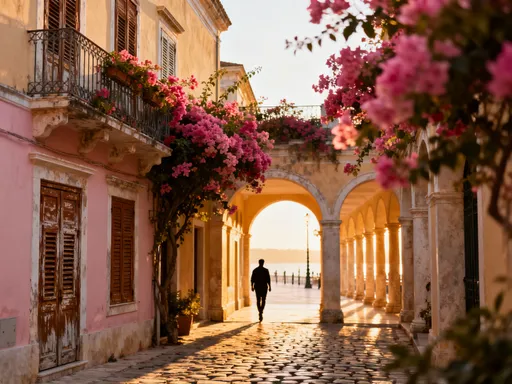
But the popularity of Little Venice means it can become crowded, especially in summer. For a more peaceful experience, consider alternative spots. The windmills near Kato Mili offer elevated views with more space to breathe, while the quieter end of Agia Anna Beach provides a serene, unobstructed horizon. Even walking along the backstreets of Chora can yield magical moments—turn a corner and suddenly the entire sky is framed by arched doorways and flowering vines.
Timing matters as much as location. Arriving 45 minutes before sunset allows you to secure a good spot and settle in without rush. The light changes gradually, and the true beauty unfolds in layers. Early on, the sun casts long shadows across the white buildings; as it nears the horizon, the colors intensify. After the sun disappears, the afterglow lingers for nearly half an hour, bathing the town in a soft, golden hue. This is when many locals take their evening stroll, known as the volta, a tradition that invites reflection and connection.
For those seeking a more immersive experience, sunset dining offers a luxurious alternative. Several seaside restaurants, such as Fokos and Cavo Paradiso, offer special evening menus with front-row views. Reservations are essential, especially in peak season, but the combination of fresh seafood, live music, and panoramic skies makes it a memorable occasion. Whether celebrated quietly or communally, the sunset in Mykonos remains one of its most powerful emotional anchors.
Flavor Trails: Eating Like a Local, Not a Tourist
Greek cuisine in Mykonos goes far beyond souvlaki and tzatziki. The island’s food culture is rooted in seasonal ingredients, family traditions, and coastal abundance. To eat like a local, one must look beyond the crowded tourist restaurants near the port and seek out neighborhood tavernas, hidden ouzeries, and small markets where islanders shop. The result is not just better flavor, but a deeper understanding of daily life on the island.
One must-try dish is kopanisti, a spicy whipped cheese made from feta and roasted peppers, often served with warm pita. It’s a staple in homes and village tavernas, especially in Ano Mera. Another regional favorite is melopita, a sweet pie made with mizithra cheese and honey, traditionally served during religious festivals. These dishes are rarely found in high-end beach clubs but appear on the chalkboard menus of family-run eateries.
Seafood lovers should visit the small harbors of Agios Ioannis or Fokos, where fishing boats unload their catch daily. Tavernas here serve grilled octopus, fried calamari, and grilled sardines, often caught that morning. Ordering the “catch of the day” ensures freshness, and many chefs are happy to explain how the dish is prepared. Portion sizes in local spots tend to be generous, and prices are significantly lower than in tourist zones.
The island’s markets also offer a taste of authentic life. The Agricultural Cooperative of Mykonos in Ano Mera sells local produce, dairy, and preserves. Visitors can sample thyme honey, one of the island’s most prized products, or purchase a jar of caper paste to take home. Bakers in Chora still open early to prepare sesame-covered loaves and sweet galaktoboureko, a custard-filled phyllo pastry. By eating where the locals eat, travelers gain access to a more genuine, nourishing experience.
Day Trips with Purpose: Naxos, Delos, and the Cycladic Neighbors
One of Mykonos’ greatest strengths is its location within the Cyclades, making it an ideal base for island-hopping. Day trips to nearby destinations enrich the travel experience, offering historical depth, natural beauty, and cultural contrast. Two of the most rewarding excursions are to Delos and Naxos, each offering something unique.
Delos, a UNESCO World Heritage Site, is one of the most important archaeological sites in Greece. According to mythology, it is the birthplace of Apollo and Artemis. Today, the uninhabited island hosts extensive ruins, including temples, theaters, and mosaics that date back to the 5th century BCE. Guided tours, available in multiple languages, provide context and help visitors imagine the island in its heyday as a major religious and commercial center. Because Delos has no facilities, it’s essential to bring water, wear comfortable shoes, and apply sunscreen. The boat ride from Mykonos takes about 20 minutes, making it a manageable half-day trip.
Naxos, by contrast, offers a greener, more agricultural landscape. The largest of the Cyclades, it is known for its fertile valleys, ancient temples, and traditional villages. The Portara, a massive marble doorway leading to an unfinished temple of Apollo, stands on a small islet connected to Naxos Town by a causeway. It’s a popular sunset spot and a powerful symbol of the island’s ancient past. Visitors can explore mountain villages like Apiranthos, where stone houses and cobbled streets reflect centuries of craftsmanship, or relax on Plaka Beach, a long stretch of golden sand with calm waters.
Ferries between Mykonos and these islands are frequent and reliable, with multiple departures daily. High-speed ferries reach Naxos in about 45 minutes, while conventional boats take closer to an hour. Tickets can be purchased online or at the port, but booking in advance during peak season is advisable. Packing a light backpack with water, snacks, a hat, and a guidebook ensures comfort and preparedness. These day trips not only expand your itinerary but deepen your appreciation for the diversity of the Greek islands.
Smart Moves: Navigating Mykonos Without Stress
Traveling with ease in Mykonos comes down to smart planning and practical choices. The island’s compact size makes it navigable, but summer crowds and limited infrastructure can create challenges. Understanding transportation options, booking strategies, and daily rhythms helps travelers avoid frustration and make the most of their time.
Getting around can be done by local bus, scooter, taxi, or on foot. The public bus system connects Chora with major beaches and villages, with clean, air-conditioned buses running regularly. Schedules are posted online and at bus stops, and fares are affordable. For more flexibility, scooter rentals are popular, but riders should exercise caution on narrow, winding roads. Taxis are available but can be expensive during peak hours, so pre-booking through reputable companies is recommended.
Accommodation should be booked several months in advance, especially for July and August. While luxury hotels draw attention, family-run guesthouses and apartments offer a more personal experience and are often located in quieter areas. Staying slightly outside Chora can reduce noise and costs while still providing easy access to town.
Other practical tips include purchasing a local SIM card for reliable internet, using reusable water bottles (many hotels and cafes offer refill stations), and checking the weather forecast daily, as afternoon winds can affect ferry schedules and beach comfort. Packing lightweight, breathable clothing and comfortable walking shoes is essential. Finally, balancing spontaneity with structure—planning key activities while leaving room for discovery—ensures a trip that feels both enriching and relaxing.
Mykonos reveals itself in layers. Once you move beyond the stereotypes, you find a destination rich in character, rhythm, and quiet beauty. By choosing experiences that match your travel personality, you don’t just visit—you connect. The island isn’t just a place on a map; it’s a collection of moments waiting to unfold. Whether it’s the first sip of coffee in a sunlit alley, the hush of a deserted beach at dawn, or the shared silence of a perfect sunset, these are the memories that linger long after the tan fades. For women seeking beauty, peace, and a touch of magic, Mykonos offers not just escape, but transformation.