Where Art Meets Sunlight: Valencia’s Natural Masterpieces Uncovered
You know that feeling when nature and art collide in the most breathtaking way? That’s Valencia for you. I never expected this Spanish coastal gem to blend vibrant street murals, futuristic architecture, and lush green landscapes so seamlessly. From the Turia Gardens to the Albufera wetlands, every corner feels like a living canvas. This is more than a travel destination—it’s a sensory journey where sunlight dances on citrus groves and creativity spills onto every wall. The city breathes color, thrives on light, and invites you to slow down, look closely, and discover beauty in the harmony between human expression and the natural world. It’s a place where every morning brings a new play of shadows on tilework, and every evening paints the sky in hues that artists have tried to capture for centuries.
The City That Paints Itself: Valencia’s Artistic Identity
Valencia does not merely display art—it lives it. Unlike cities where galleries remain confined to museum walls, here, creativity spills into the streets, adorning building facades, alleyways, and public squares with bold strokes and intricate details. This artistic identity is not a recent trend but a deep-rooted cultural expression shaped by centuries of craftsmanship, tradition, and community pride. The annual Las Fallas festival, a UNESCO-recognized celebration, exemplifies this spirit. For ten days each March, the city transforms into a temporary open-air museum, where towering papier-mâché sculptures—elaborate, satirical, and often whimsical—fill plazas before being ceremoniously burned in a fiery finale. These monuments, crafted by local artisans known as falleros, reflect social commentary, historical references, and artistic experimentation, turning public spaces into stages for collective storytelling.
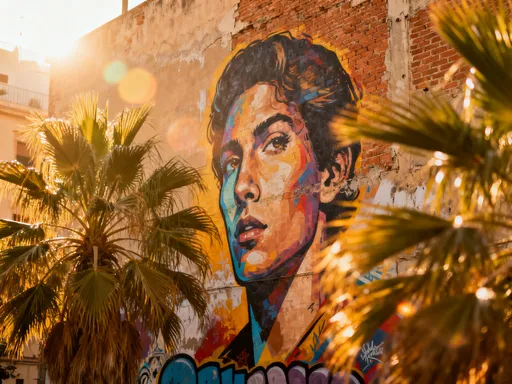
Beyond the festival, Valencia’s urban renewal initiatives have embraced art as a tool for revitalization. Neighborhoods once overlooked, such as El Carmen and Ruzafa, have been reimagined through large-scale mural projects. Local and international artists are invited to transform blank walls into vibrant narratives, often drawing inspiration from Valencian folklore, maritime history, and Mediterranean flora. These murals do more than beautify—they foster a sense of belonging, turning anonymous corners into landmarks. The city government, in collaboration with cultural organizations, supports these efforts through grants and public programs, ensuring that art remains accessible rather than exclusive. This democratization of creativity means that residents and visitors alike encounter beauty without needing a ticket or a curated itinerary.
What sets Valencia’s artistic identity apart is its deep dialogue with nature. The city’s palette—warm ochres, sea blues, terracotta reds, and sunlit yellows—mirrors the hues of its surroundings. Natural light plays a critical role in how art is experienced here. The intense Mediterranean sun illuminates pigments in ways that alter their tone throughout the day, making a mural viewed at noon appear dramatically different by golden hour. This interplay between light and color is not incidental; it is intentional. Artists consider the angle of sunlight, seasonal shadows, and reflective surfaces when designing their work, ensuring that each piece evolves with its environment. The result is an urban landscape that feels alive, responsive, and deeply connected to the rhythms of nature.
From Concrete to Canopy: The Turia Gardens as a Green Canvas
Once a source of both life and destruction, the Turia River now serves as Valencia’s green spine. After devastating floods in the 20th century led to the river’s diversion, the city faced a decision: pave over the dry riverbed or reimagine it. Valencia chose transformation. Today, the Turia Gardens stretch over nine kilometers from the city center to the Mediterranean coast, a continuous ribbon of green that blends recreation, art, and ecology. This urban oasis is more than a park—it is a curated journey through nature and human creativity, where every section tells a different story. From sports fields and playgrounds to botanical zones and open-air theaters, the gardens cater to all ages and interests, yet they maintain a cohesive identity rooted in sustainability and aesthetic harmony.
The design of the Turia Gardens reflects a thoughtful integration of art and landscape. Sculptures by contemporary and classical artists are strategically placed along the pathways, often emerging unexpectedly between clusters of orange trees or beside quiet fountains. These installations range from abstract metal forms to figurative works that celebrate Valencian heritage. One notable example is the homage to Miguel de Cervantes near the City of Arts and Sciences, where a bronze figure of Don Quixote stands in quiet contemplation, surrounded by native plantings that evoke the Castilian plains. These artworks are not isolated objects but part of a larger narrative, enhancing the experience of movement through the space.
Walking or cycling through the Turia Gardens is an immersive experience. Shaded by rows of plane trees and palm groves, the pathways offer respite from the summer heat while framing picturesque views. The sound of rustling leaves blends with distant laughter and the occasional strum of a guitar from a street performer. Families picnic on grassy lawns, children splash in shallow fountains, and couples stroll beneath arching trellises draped with climbing jasmine. The gardens also host seasonal events—open-air concerts, yoga sessions, and art fairs—that further animate the space. What makes this transformation remarkable is not just its scale, but its success in repurposing urban infrastructure into a living, breathing canvas that serves both ecological and cultural functions.
City of Light and Color: How Valencia’s Climate Inspires Artists
Valencia’s climate is not just a backdrop for art—it is a co-creator. With over 300 days of sunshine per year, the city’s light has a clarity and intensity that shapes how color is perceived and used. Artists, photographers, and architects alike speak of the “Valencian light” as something distinct—a luminous quality that enhances contrast, deepens shadows, and makes colors appear more vivid. This phenomenon is not merely poetic; it has practical implications for outdoor art. Murals painted with UV-resistant pigments retain their brilliance longer, while reflective surfaces in architecture respond dynamically to the sun’s movement, creating ever-changing visual effects.
Local artists often cite the interplay of sky, sea, and vegetation as their primary muse. The morning light, soft and diffused, casts a gentle glow over the old town’s tiled roofs, inspiring delicate watercolor studies. By midday, the sun beats down with a brilliance that highlights textures—the roughness of aged plaster, the smoothness of ceramic tiles, the shimmer of metal sculptures. As evening approaches, the golden hour bathes the city in warm amber tones, transforming plazas into stages for natural drama. Photographers and painters alike time their visits to capture this fleeting magic, knowing that the same scene can appear entirely different depending on the hour.
The sea breeze, another constant presence, influences both the preservation and creation of outdoor art. While salt air can accelerate weathering, it also contributes to a unique patina that many artists welcome. Metal sculptures develop a soft green oxidation, while wooden installations take on a silvery-gray hue, blending naturally with the coastal environment. Some artists deliberately use materials that evolve over time, embracing impermanence as part of the artwork’s story. This acceptance of change reflects a broader philosophy in Valencia—one that values harmony with nature rather than domination over it. The city’s climate, therefore, does not just inspire art; it participates in it, shaping its form, longevity, and meaning.
Albufera Natural Park: A Living Watercolor Beyond the City
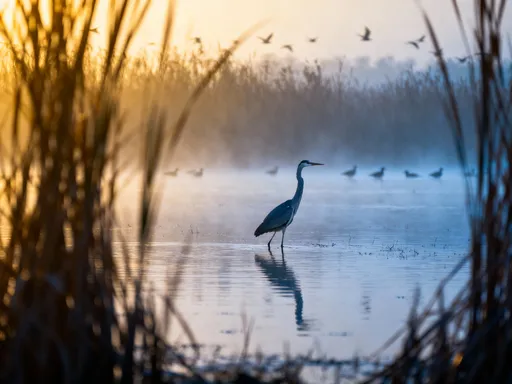
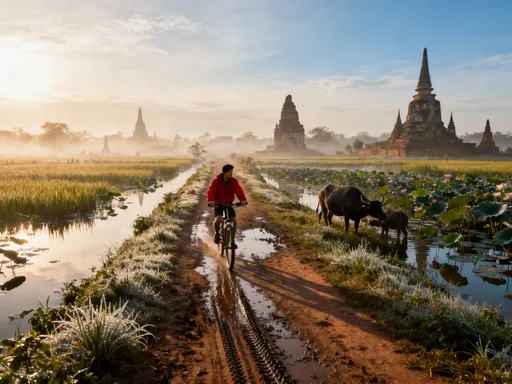
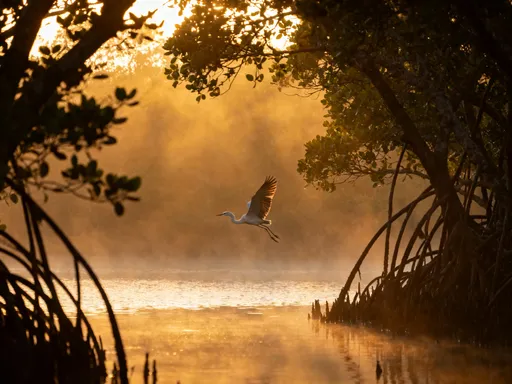
Just ten kilometers south of Valencia’s bustling center lies a world of stillness and reflection—Albufera Natural Park. This protected wetland, a remnant of the original Turia River delta, is a sanctuary of lagoons, rice fields, and dense reed beds. It is also the birthplace of paella, the iconic Valencian dish traditionally cooked over open fires using locally grown rice and fresh ingredients from the land and sea. But beyond its culinary significance, Albufera is a visual masterpiece, a landscape so serene and painterly that it feels almost unreal. At sunrise, mist rises from the water, softening the horizon and blurring the line between sky and earth. Herons stand motionless in shallow pools, while kingfishers dart like blue sparks across the surface. The rhythmic paddling of traditional wooden boats, known as barques, breaks the silence, their oars cutting through water lilies with quiet precision.
A boat ride through Albufera’s narrow channels is one of the most immersive ways to experience this ecosystem. Guided by local fishermen who have navigated these waters for generations, visitors glide beneath canopies of reeds, where the calls of warblers and bitterns fill the air. The landscape shifts subtly with the seasons—lush and green in spring, golden and shimmering in summer, misty and introspective in winter. In autumn, the rice harvest transforms the fields into a patchwork of amber and brown, reflecting the sky in flooded paddies that mirror clouds like liquid glass. These views evoke the impressionist paintings of Monet or Turner, where light and water merge into abstraction. Yet this is not a painting—it is a living, breathing environment that sustains biodiversity and cultural traditions alike.
Albufera’s significance extends beyond aesthetics. It is home to over 300 species of birds, including migratory storks, flamingos, and marsh harriers, making it a vital stopover on European flyways. Conservation efforts by regional authorities and environmental groups ensure that development remains limited, preserving the park’s ecological balance. Visitors are encouraged to explore responsibly—staying on marked trails, avoiding noise pollution, and supporting eco-conscious tour operators. By protecting Albufera, Valencia safeguards not only a natural treasure but also a source of artistic and culinary inspiration that has shaped its identity for centuries.
Architectural Poetry: The City of Arts and Sciences in Its Natural Setting
Rising from the end of the Turia Gardens like a vision from the future, the City of Arts and Sciences is Valencia’s most iconic modern landmark. Designed by renowned architect Santiago Calatrava, this complex is a symphony of white concrete, glass, and water. It includes an opera house, a science museum, an oceanographic park, and an interactive exhibition space, all unified by a design language that mimics natural forms—bones, fish, and the human eye. Yet what makes this architectural ensemble truly remarkable is not just its bold aesthetics, but its deep integration with the surrounding environment. Rather than imposing itself on the landscape, the complex dialogues with it, using reflective pools, open plazas, and strategic sightlines to create a sense of continuity between built and natural spaces.
The use of water is central to this harmony. Long, mirror-like pools surround the buildings, reflecting their curves and creating the illusion that they float above the earth. These pools are not merely decorative; they serve functional purposes, helping to regulate temperature and enhance natural lighting. On a clear day, the sky doubles in the water, blurring the boundary between heaven and structure. The Oceanogràfic, Europe’s largest aquarium, is designed to resemble a giant water lily, with petal-like canopies covering marine habitats that replicate global ecosystems. Inside, visitors walk through underwater tunnels surrounded by sharks, rays, and schools of shimmering fish, experiencing the ocean’s grandeur without leaving the city.
Calatrava’s design philosophy emphasizes movement and light, principles deeply rooted in natural observation. The Hemisfèric, shaped like an enormous eye, opens its eyelid to reveal an IMAX theater, mimicking the act of seeing. The Science Museum, with its skeletal roof and open layout, invites natural ventilation and daylight, reducing energy consumption. Throughout the complex, pathways encourage leisurely exploration, with benches, fountains, and shaded areas that invite rest and reflection. By avoiding visual barriers and maintaining open connections to the Turia Gardens, the City of Arts and Sciences feels like a natural extension of the park, not a separate entity. It stands as a testament to how architecture can celebrate both human ingenuity and the beauty of the natural world.
Hidden Trails and Secret Murals: Off-the-Beaten-Path Experiences
While Valencia’s major attractions draw well-deserved attention, some of its most authentic moments lie beyond the guidebooks. In neighborhoods like Ruzafa, El Carme, and Cabanyal, creativity thrives in unexpected corners. Ruzafa, once a working-class district, has evolved into a hub of bohemian energy, where vintage shops, organic cafes, and street art coexist beneath plane trees and wrought-iron balconies. Here, murals cover entire building facades, their themes ranging from mythological figures to social justice messages. Unlike commissioned works in central plazas, many of these pieces emerge spontaneously, reflecting the voices of local and visiting artists who use the city as a canvas for experimentation.
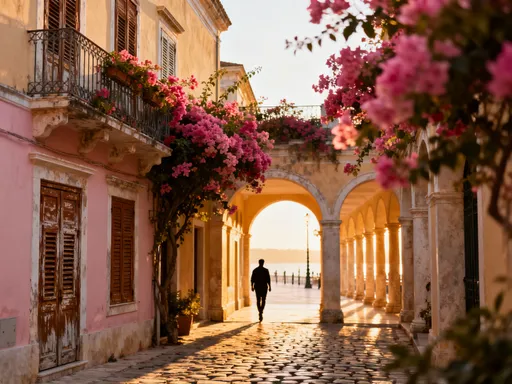
Cabanyal, the historic fishing quarter, offers a different kind of charm. Pastel-colored cottages with wooden shutters line narrow streets that open onto the sea. Traditional fishermen still mend their nets on the beach, while new generations open artisanal ice cream shops and ceramic studios. Street art here often incorporates maritime motifs—sails, compasses, fish—blending cultural heritage with contemporary expression. Exploring these neighborhoods on foot or by bicycle allows travelers to experience Valencia at a human scale, where every turn reveals a hidden courtyard, a fragrant orange tree, or a mural that seems to whisper a story.
For those seeking quiet coastal views, the Paseo de la Alameda and the northern stretch of Malvarrosa Beach offer peaceful alternatives to crowded tourist spots. Early morning walks along the promenade reveal fishermen preparing their boats, seagulls circling above, and the sun rising over the Mediterranean. These moments of stillness, unscripted and unhurried, are among the most memorable. Responsible exploration means respecting local life—keeping noise low, avoiding private property, and supporting neighborhood businesses. By doing so, visitors become part of the community’s rhythm rather than disruptors of it.
Bringing It All Together: Why Valencia Redefines Nature-Inspired Art
Valencia is not just a city that features art and nature—it is a city where the two are inseparable. From the murals that change with the light to the parks built on former riverbeds, every element reflects a deep understanding of balance. This is not urban planning as mere functionality, but as poetic expression. The city demonstrates that sustainability and beauty need not be mutually exclusive—that green spaces can be cultural spaces, and that architecture can honor both innovation and environment. In an era when cities struggle with congestion, pollution, and disconnection, Valencia offers a compelling alternative: a model of urban living where creativity is nurtured by nature, and nature is celebrated through creativity.
What makes this integration so powerful is its accessibility. You do not need to be an art critic or a naturalist to feel its impact. A child riding a bike through the Turia Gardens, a couple sharing a meal beside Albufera’s lagoon, a photographer capturing the sunset on a mural in Ruzafa—each experiences the same truth: that beauty arises when human expression listens to the land. Valencia invites travelers to slow down, to look closely, and to see not just sights, but connections. It reminds us that art is not only something we view, but something we live within.
As the sun sets over the Mediterranean, casting long shadows across tiled rooftops and gilded facades, Valencia reveals its final masterpiece—one that is never finished. It is a city in motion, evolving with each season, each tide, each new brushstroke. To visit is not merely to observe, but to participate in a living work of art, shaped by sunlight, sea, and the enduring human spirit. Come not just to see, but to feel. Come to discover how, in Valencia, every day is a canvas, and every moment a stroke of inspiration.