You Gotta See These Hidden Corners of the Balearic Islands
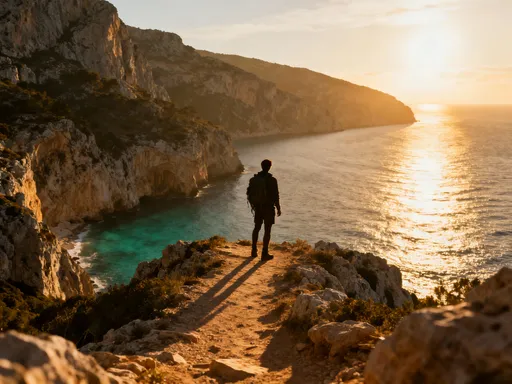
The Balearic Islands aren’t just party hubs—they’re packed with quiet coves, rugged trails, and villages frozen in time. I went searching for the spots locals love, not just the postcard views. What I found blew my mind: crystal waters, hilltop vistas, and charm you can’t fake. If you're planning a trip, forget the crowds—let me show you the real beauty that’s totally worth the detour. This is not about crowded beaches or neon-lit clubs. This is about sunrise over a secluded cove, the scent of wild thyme on a mountain path, and the warmth of a village café where time moves slower. The Balearics, when seen beyond the brochure, reveal a soulful rhythm that stays with you long after you return home.
Why the Balearic Islands Deserve More Than a Beach Check-Off List
The Balearic Islands, an archipelago in the western Mediterranean Sea, are often reduced to stereotypes—sunburned tourists, all-night raves, and crowded promenades. Yet beneath this surface lies a world of natural grandeur and cultural depth that deserves far more attention. Comprised primarily of four main islands—Mallorca, Menorca, Ibiza, and Formentera—plus a scattering of smaller islets like Cabrera, the Balearics offer a surprising range of landscapes and experiences. From the jagged peaks of the Serra de Tramuntana to the untouched dunes of Formentera, these islands are a mosaic of ecosystems, each with its own character and quiet beauty.
It’s time to move beyond the misconception that the Balearics are only for clubbers or sunbathers checking off beach destinations. While Ibiza’s nightlife and Mallorca’s resort towns attract millions, a growing number of travelers are seeking something deeper: connection, tranquility, and authenticity. This shift toward experiential and nature-focused travel aligns perfectly with what the Balearics can truly offer. Travelers now prioritize moments over monuments, immersion over itineraries, and sustainability over convenience. The islands, with their protected natural parks, ancient trails, and centuries-old villages, are ideally suited for this kind of mindful exploration.
One of the most compelling reasons to explore the Balearics beyond the usual spots is their scenic diversity. These islands are not just flat stretches of sand. Mallorca boasts limestone mountains sculpted by time, with terraced olive groves and stone farmhouses clinging to steep slopes. Menorca’s coastline is a patchwork of hidden coves, some accessible only by foot or kayak, framed by pine forests and wildflowers. Formentera’s landscape is defined by its fragile dune systems and salt flats, home to rare bird species and translucent waters that seem to glow from within. Even Ibiza, often misunderstood, has vast stretches of unspoiled countryside, with juniper forests and dramatic sea cliffs that feel a world away from the dance floors of San Antonio.
This visual richness is not accidental. The Balearics have been shaped by geology, climate, and centuries of human stewardship. The Tramuntana Range in Mallorca, for instance, is a UNESCO World Heritage site not only for its natural beauty but also for its cultural landscape—centuries of agricultural terracing, aqueducts, and dry-stone construction that blend seamlessly into the environment. Similarly, Menorca’s Camí de Cavalls, a historic military path that circles the island, has been restored as a public trail, allowing modern travelers to walk in the footsteps of shepherds and soldiers from centuries past. These layers of history and nature make the Balearics more than a vacation spot—they are a living archive of Mediterranean life.
Mallorca’s Secret North: Where Mountains Meet the Mediterranean
If you want to understand the soul of Mallorca, head north. While the south draws sun-seekers with its wide beaches and bustling resorts, the northern coast and interior reveal a different island—one of mountain villages, winding roads, and sea views that take your breath away. The Serra de Tramuntana, a UNESCO-listed mountain range, runs along the northwest coast and is the heart of this quieter, more contemplative Mallorca. Its rugged peaks rise sharply from the Mediterranean, cloaked in pine and olive trees, with stone villages perched like eagles’ nests on the slopes.
Two of the most enchanting villages in this region are Valldemossa and Deià. Valldemossa, nestled in a lush valley, is famous for its royal charterhouse, where Frédéric Chopin and George Sand spent a famously stormy winter in 1838–39. Today, visitors come not only for the history but for the atmosphere—the scent of orange blossoms, the sound of church bells, and the slow pace of life. Small family-run shops sell local honey, herbal teas, and handmade ceramics. A short walk from the village center leads to forest trails with views over the valley, where wild goats sometimes appear on distant ridges.
Deià, perched even higher on the mountainside, has long been a haven for artists and writers. British poet Robert Graves settled here in the 1920s, and his former home is now a museum and cultural center. The village itself is a maze of stone steps and whitewashed houses with terracotta roofs. From its vantage point, you can see the sea shimmering below, and on clear days, the轮廓 of nearby islands. A favorite walk from Deià is the Path of the Virgin (Camí de la Mare de Déu), a centuries-old pilgrimage route that winds through olive groves and offers panoramic views of the coast. The trail is well-marked but can be steep in places, so sturdy shoes and plenty of water are essential.
To truly enjoy this region without falling into tourist traps, timing and planning matter. Arrive early in the day to avoid the coach tours that descend on Valldemossa by mid-morning. Skip the overpriced souvenir stalls and instead seek out local cafés where residents gather. Try a *tumbet*, a Mallorcan vegetable dish similar to ratatouille, or sample the island’s excellent olive oil, which has a peppery finish and golden hue. Many farms offer tastings and tours—look for signs that say *almazara* (olive press) or *fincas agro-turísticas*. These experiences not only support local families but also deepen your connection to the land.
Formentera’s Untouched Shores: Simpler, Slower, Stunning
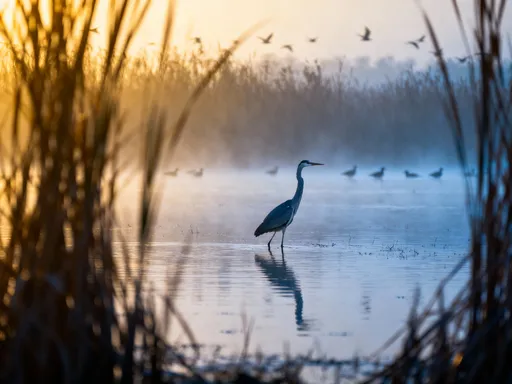
Just a short ferry ride from Ibiza lies Formentera, an island that feels like a different world. While Ibiza pulses with energy, Formentera breathes quietly. There are no big hotels, no traffic jams, and no nightclubs. Instead, you’ll find miles of pristine beaches, salt flats that shimmer in the sun, and a culture that values slowness and simplicity. This is the Balearics at their most unspoiled—a place where the sea is so clear you can see fish darting between your toes, and the only sounds at dawn are the rustle of sea grass and the cry of gulls.
The most famous beach, Ses Illetes, is often compared to the Caribbean for its powdery white sand and turquoise shallows. But unlike tropical resorts, Ses Illetes remains remarkably natural. There are no high-rise buildings in sight, just low vegetation and a few wooden beach bars (*chiringuitos*) serving fresh seafood and cold drinks. To avoid the day-trippers who arrive by mid-morning, come early—by 8 a.m., you’ll have the beach almost to yourself. Walk to the tip of the sandspit, where the sea on one side is calm and shallow, and on the other, waves roll in from the open Mediterranean.
One of the best ways to explore Formentera is by bicycle. The island is flat, with wide, well-maintained roads and dedicated bike paths. Rentals are easy to find in the main town of Sant Francesc, and most bikes come with maps and suggested routes. A popular loop takes you from the town to Ses Illetes, then along the coast to the lighthouse at La Mola, a former military fortress turned nature reserve. Along the way, you’ll pass salt pans where flamingos sometimes feed, and fields of wild lavender that bloom in late spring.
But with beauty comes responsibility. Formentera’s dune ecosystems are fragile. The sand is held in place by native plants like sea daffodils and marram grass, which can be easily damaged by foot traffic. Always stay on marked paths and avoid walking on the dunes. Many areas are protected, and fines for trespassing are strictly enforced. Support eco-conscious businesses—look for beach bars that use compostable materials and avoid single-use plastics. By traveling mindfully, you help preserve this rare island sanctuary for future generations.
Menorca’s Coastal Treasures: Secluded Coves and Ancient Pathways
Menorca, the easternmost of the Balearic Islands, is a haven for walkers and nature lovers. Unlike its more famous neighbors, Menorca has resisted mass tourism, thanks in part to its designation as a UNESCO Biosphere Reserve in 1993. This status has helped protect its coastline, farmland, and biodiversity. One of the island’s greatest gifts to travelers is the Camí de Cavalls, an 180-kilometer trail that circles the entire island. Originally built for military patrols, the path has been restored and opened to the public, offering an unparalleled way to experience Menorca’s varied landscapes.
The trail winds through pine forests, across limestone cliffs, and along secluded beaches. Some sections are rugged and require good footwear, while others are flat and easy, perfect for families. You can walk the entire route over several days or pick shorter segments based on your interests. One of the most rewarding stretches runs from Ciutadella to Cala Macarella, a journey of about 10 kilometers that takes you through wild countryside and ends at one of the island’s most beautiful coves. Cala Macarella and its neighboring beach, Cala Macarelleta, are famous for their turquoise waters and fine sand. But they are also small and vulnerable to overcrowding.
To enjoy these beaches without the crowds, arrive early—before 9 a.m.—or visit in the late afternoon when most day-trippers have left. Parking is limited, and during peak season, access may be restricted to protect the environment. The walk down to the cove is steep but short, and the view from the top is worth the effort. Once there, respect the natural setting: pack out all trash, avoid loud music, and never remove shells or rocks, which are part of the delicate ecosystem.
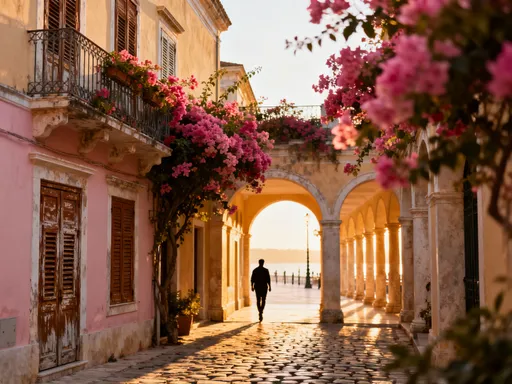
Ciutadella, Menorca’s historic capital, is a town of colonial charm and quiet elegance. Its narrow streets are lined with sandstone buildings, many dating back to the 18th century. The weekly market, held every Thursday and Sunday, is a highlight—local farmers sell fresh cheese, honey, and citrus fruits, while artisans offer handmade sandals and woven baskets. As the sun sets, the harbor comes alive with the soft glow of lanterns and the sound of guitar music from waterfront cafés. This is the kind of place where you can sit for hours with a glass of local wine, watching the boats rock gently on the water.
Visiting Menorca in the shoulder or low season—April to June or September to October—offers even greater rewards. The weather is still pleasant, the sea warm enough for swimming, and the island far less crowded. Accommodations are more affordable, and you’re more likely to have beaches and trails to yourself. It’s during these quieter months that Menorca reveals its true character: not as a destination, but as a place to slow down, breathe deeply, and reconnect with nature.
Ibiza Beyond the Clubs: Nature Reserves and Hilltop Villages
Ibiza is often misunderstood. While its reputation for nightlife is well-earned, the island has another side—one of quiet villages, rolling hills, and protected natural areas. The west and north coasts, in particular, offer a completely different experience from the party zones of the south and east. Here, you’ll find dramatic cliffs, secluded coves, and a slower rhythm of life that feels closer to old Mediterranean traditions.
One of the most iconic sights in Ibiza is Es Vedrà, a jagged limestone island that rises dramatically from the sea off the southwest coast. Sacred to locals and said to be magnetic or even mystical, Es Vedrà is best viewed from Cala d’Hort, a small beach with a rocky shoreline and stunning sunset views. The walk to the viewing point is short but steep, and the panorama—of the islet, the sea, and the distant Formentera—is unforgettable. Photographers often gather here in the golden hour, when the light turns the rocks amber and the water glows pink.
Another hidden gem is Sa Caleta, a cove on the southwest coast that is not only beautiful but historically significant. It is home to the ruins of a Phoenician settlement dating back to the 7th century BCE, making it one of the oldest human settlements in the Balearics. The site is protected, and visitors can walk among the stone foundations while learning about ancient trade routes and daily life. The beach itself is small but lovely, with clear water and a peaceful atmosphere. Because access is limited, it never feels crowded.
To experience Ibiza’s countryside, consider staying in an *agroturismo*—a renovated farmhouse turned boutique accommodation. These properties are often set in remote locations, surrounded by olive groves, almond trees, and wild herbs. Many offer organic breakfasts with eggs from their own chickens and jam made from garden fruit. Waking up to the sound of roosters and the scent of rosemary is a far cry from the thumping bass of a nightclub. From here, you can explore quiet villages like Sant Joan, where the main square has a 16th-century church and a single café where locals play dominoes in the shade.
For the best photography and light, time your visits to viewpoints in the early morning or late afternoon. The midday sun can be harsh, but at sunrise or sunset, the island transforms. Shadows lengthen, colors deepen, and the sea takes on a luminous quality. Whether you’re on a cliff in the north or a hilltop in the center, these moments offer a rare chance to see Ibiza not as a party island, but as a place of natural and cultural beauty.
Practical Tips for Chasing Scenery Without the Stress
Planning a trip to the hidden corners of the Balearic Islands requires more than just a passport and a swimsuit. To make the most of your journey, consider timing, transportation, and preparation. The best time to visit depends on your priorities. For warm weather and sea swimming, May to September is ideal. But if you want to avoid crowds and enjoy milder temperatures, consider April, October, or even November. These shoulder months offer plenty of sunshine, fewer tourists, and lower prices on accommodations and ferries.
Transportation between and within the islands is key. Ferries connect all four main islands, with frequent routes between Ibiza and Formentera, and seasonal services to Menorca and Mallorca. Booking in advance is wise, especially in summer. Once on an island, having your own transport makes a big difference. Renting a car gives you the most flexibility, particularly in rural areas where public transit is limited. For smaller islands like Formentera, bicycles are a practical and eco-friendly option. Many rental shops offer e-bikes, which make longer distances easier without sacrificing the joy of open-air travel.
Packing wisely enhances comfort and safety. For coastal hikes, bring sturdy shoes with good grip, a wide-brimmed hat, sunscreen, and at least two liters of water per person. Lightweight, breathable clothing in neutral colors works well for both village visits and trail walking. A small backpack with a first-aid kit, map, and portable charger is also recommended. If you plan to swim frequently, pack a quick-dry towel and water shoes for rocky beaches.
Navigating trails is easier with the right tools. While many paths are well-marked, carrying a physical map or using a reliable app like Wikiloc or AllTrails can prevent getting lost. Download maps in advance, as cell service can be spotty in remote areas. Always let someone know your planned route and expected return time, especially if hiking alone. Finally, respect local customs and regulations—stay on designated paths, obey signage, and avoid disturbing wildlife. These small actions ensure that your adventure doesn’t come at the expense of the places you love.
Making the Most of Your Journey: Blending Beauty with Responsibility
Traveling to the hidden corners of the Balearic Islands is not just about seeing beautiful places—it’s about protecting them. These islands are fragile ecosystems, shaped by centuries of balance between humans and nature. As more people discover their quiet coves and mountain trails, the need for sustainable tourism grows. This means making choices that honor the environment, support local communities, and preserve cultural heritage.
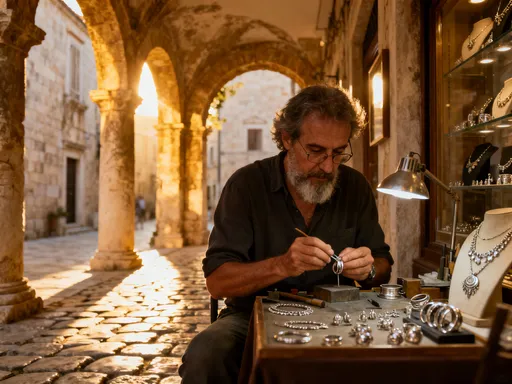
One of the most impactful ways to travel responsibly is to support local businesses. Choose family-run restaurants that serve regional dishes made with local ingredients. Buy crafts directly from artisans in village markets. Book tours with small, eco-conscious operators who prioritize education and conservation. These choices keep money in the community and help sustain traditional ways of life that might otherwise disappear.
Equally important is minimizing your environmental footprint. Avoid single-use plastics—carry a reusable water bottle, shopping bag, and utensils. Stay on marked trails to prevent erosion and protect plant life. Never feed or approach wild animals. When visiting protected areas, follow all rules and guidelines. These small acts of care accumulate into meaningful change.
But beyond actions, there is a deeper benefit to this kind of travel. Scenic journeys—walking a cliffside path, watching a sunset over the sea, sharing a meal with locals—enrich the soul. They remind us of our place in the natural world and our responsibility to protect it. The Balearic Islands, in their quiet beauty, offer not just escape, but transformation. They are not merely a destination to be checked off a list, but a feeling—a sense of peace, wonder, and connection that stays with you long after you return home. And that feeling, more than any photograph or souvenir, is worth protecting.