Lost in Kabul’s Flavors: Where Every Bite Tells a Story
You know what I didn’t expect? That Kabul, of all places, would serve some of the most soulful, richly spiced food I’ve ever tasted. Forget the headlines—this city breathes through its hidden kitchens, bustling markets, and generations-old recipes. From smoky kebabs grilled over open flames to fragrant rice layered with saffron and dried fruits, every meal felt like a quiet act of resilience and pride. In a place so often reduced to conflict and hardship, food emerges not just as nourishment, but as a living testament to culture, community, and continuity. This is a city where flavor carries memory, and hospitality remains unshaken by time.
Arrival in Kabul: First Impressions Beyond the Headlines
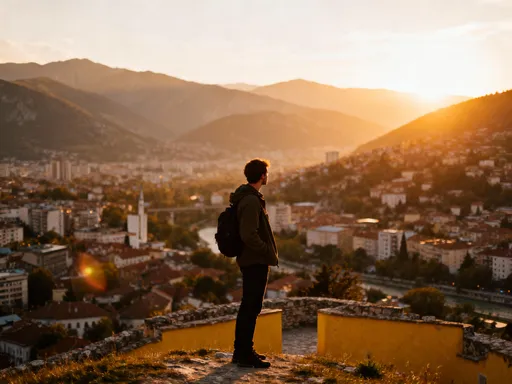
Kabul unfolds like a tapestry woven with threads of endurance and quiet beauty. As the plane descends, the city appears nestled between rugged mountain ranges, its skyline marked more by minarets than skyscrapers. The first breath of air carries dust, woodsmoke, and the faintest hint of cardamom—already, the senses are stirred. The streets pulse with movement: men in woolen waistcoats walking briskly, women in vibrant headscarves balancing baskets, and children calling out greetings in Dari. The rhythm is both chaotic and orderly, a balance between modern urgency and ancient custom.
What strikes most upon arrival is the warmth of the people. Despite years of international attention focused on conflict, locals greet visitors not with suspicion, but curiosity and kindness. A shopkeeper offers green tea without prompting; a passerby smiles and says, “Welcome to our home.” These gestures are not performative—they are genuine expressions of *mehman nawazi*, the deeply rooted Afghan tradition of hospitality. In this context, sharing food is not merely an act of generosity; it is a cultural imperative, a way of affirming dignity and connection.
And it is through food that Kabul begins to reveal itself. Behind the fortified gates and security checkpoints lies a city alive with culinary tradition. Meals are prepared with care, served with pride, and eaten with intention. The headlines may speak of instability, but in the kitchens of Kabul, life continues with rhythm and grace. The food tells a different story—one of resilience, identity, and the enduring power of shared meals.
The Heartbeat of Kabul: Exploring Local Markets and Street Food Culture
If Kabul has a pulse, it beats strongest in its markets. The city’s bazaars are not just places to buy goods—they are living spaces where community, commerce, and culture intersect. The scent of cumin, coriander, and freshly ground sumac drifts through the air, mingling with the sweetness of ripe figs and the sharp tang of pickled vegetables. Stalls overflow with seasonal abundance: pomegranates split open like jewels, apricots dry in the sun on woven mats, and bunches of dill, mint, and parsley are tied with twine and stacked high.
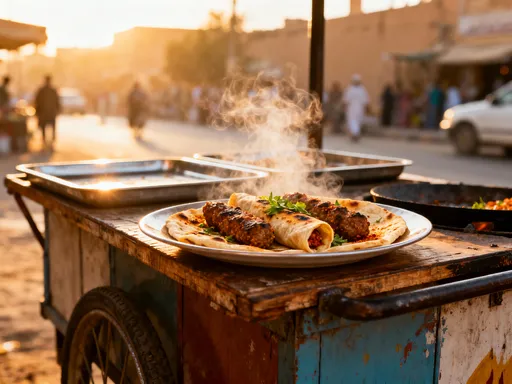
One of the most vibrant is the Chicken Street market, historically known for antiques but now a hub for local artisans and food vendors. Here, amid carpets and copperware, small grills send plumes of aromatic smoke into the sky. Men in aprons tend to skewers of marinated lamb and chicken, turning them slowly over glowing coals. The meat is served simply—on disposable plates with a side of *challow*, the iconic Afghan rice, and a wedge of warm naan pulled fresh from the tandoor oven. There are no menus, no prices listed, just a nod and a smile when you sit on a low plastic stool and accept what is offered.
This is street food at its most authentic. It is not staged for tourists; it is eaten by laborers, students, and families on their way home. The experience is sensory and immediate—the crackle of fat dripping onto hot coals, the golden crust of rice scraped from the bottom of the pot, the first bite of tender, spiced meat that dissolves on the tongue. Vendors take pride in their craft, often using the same marinade their fathers used. A man named Farid, who has grilled kebabs on the same corner for over twenty years, says simply, “This is how we feed our people. It’s not fancy, but it’s honest.”
Beyond the kebabs, the market offers a glimpse into daily Afghan life. A woman sells wild mountain honey in glass jars, its golden hue glistening in the sunlight. Another offers walnuts cracked open by hand, still warm from the shell. Herbs are sold by the bundle, essential for everything from soups to dumplings. These ingredients form the foundation of Kabul’s cuisine—simple, seasonal, and deeply flavorful. Eating here is not just about sustenance; it is about participating in a rhythm that has endured for generations.
Specialty Dining in Kabul: More Than Just Kebabs
While kebabs dominate the street food scene, Afghan cuisine is far more diverse and nuanced. In family-run restaurants tucked into quiet neighborhoods, a deeper culinary tradition unfolds. These are not polished establishments with international menus, but modest dining rooms where meals are served on low wooden tables, often covered with colorful cloths. Guests sit on cushions, eat with their right hands, and share dishes communally—a practice that reinforces connection and equality.
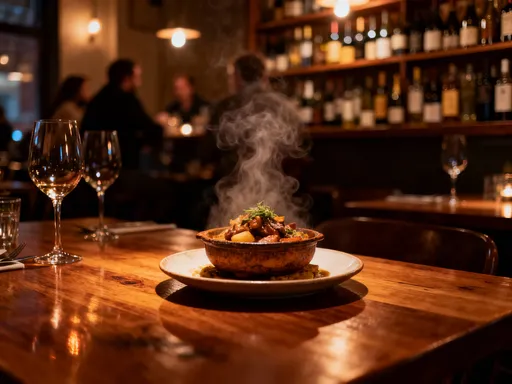
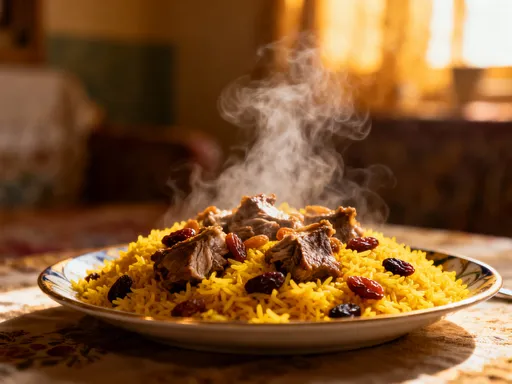
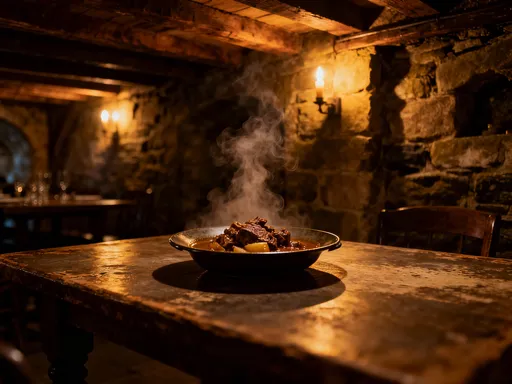
One of the most cherished dishes is *qorma*, a slow-cooked stew that varies by region and household. In Kabul, it often features tender pieces of lamb simmered with onions, tomatoes, and a blend of spices including turmeric, coriander, and cardamom. Some versions include dried apricots or plums, adding a subtle sweetness that balances the richness of the meat. The stew is served alongside *challow*, the buttery rice dish that is the centerpiece of most Afghan meals. The rice is first parboiled, then steamed with saffron, carrots, and raisins, creating layers of color and flavor. The prized part—the golden, crispy crust at the bottom, known as *tahdig*—is often fought over by children and elders alike.
Another beloved specialty is *mantu*, steamed dumplings filled with spiced ground beef or lamb, onions, and sometimes lentils. They are arranged in layers, topped with garlicky yogurt, a thin lentil sauce, and a sprinkle of dried mint. The combination of textures—soft dough, savory filling, cool yogurt, and tangy sauce—creates a harmony that is both comforting and complex. Like many Afghan dishes, *mantu* is labor-intensive, often prepared by multiple generations of women in the kitchen, passing down techniques through repetition and memory.
These meals are not rushed. Dining is a social event, often lasting hours, accompanied by strong green tea sweetened with sugar cubes. Conversations flow easily, stories are shared, and silence is welcome. There is no pressure to order dessert or pay and leave. Time moves differently here—slower, more intentional. In a world increasingly driven by speed and efficiency, Kabul’s dining culture offers a rare reminder of the value of presence and patience.
Hidden Kitchens: Dining in Local Homes and Guesthouses
Some of the most memorable meals in Kabul are not found in restaurants, but behind unmarked doors. Being invited into an Afghan home for a meal is a profound honor, a gesture of trust and openness. These gatherings often begin with tea served in small glasses, accompanied by dried mulberries or almonds. Then, dish after dish appears, carried from the kitchen by women in colorful dresses, their arms full of steaming platters.
A typical home meal might start with *bolani*, a thin, fried flatbread stuffed with mashed potatoes, leeks, or lentils. It is crispy on the outside, soft within, and served with a side of mint yogurt. Then comes *ashak*, delicate dumplings filled with scallions or leeks, topped with meat sauce, garlicky yogurt, and a sprinkle of dried mint. Unlike *mantu*, which is meat-based, *ashak* offers a lighter, more aromatic experience. The dumplings are handmade, their edges pinched with care, each one a small act of devotion.
The main course often includes a *qorma* or a large platter of *challow* with grilled meat. Bowls of *shorwa*, a hearty soup made with lamb, chickpeas, and vegetables, are placed in the center for dipping naan. Children hover nearby, waiting for permission to take a piece of meat or a spoonful of yogurt. Elders are served first, a sign of respect deeply embedded in Afghan culture. The table is never cleared until everyone has eaten their fill, and even then, guests are urged to take more: “Eat, eat—it’s no trouble.”
These meals are not just about food; they are acts of cultural preservation. Recipes are not written down but passed orally from mother to daughter, grandmother to granddaughter. Spices are measured by feel, dough is rolled to the right thickness by memory. In a country where written records have often been lost to conflict, the kitchen becomes an archive. Every dish carries the weight of history, every bite a connection to ancestors. To eat in an Afghan home is to be welcomed into that lineage, even if only for a few hours.
The Role of Food in Kabul’s Cultural Resilience
In Kabul, food is more than sustenance—it is survival, identity, and resistance. Through decades of war, displacement, and political change, Afghan families have held fast to their culinary traditions. A recipe preserved is a piece of culture protected. A meal shared is a declaration that life continues. In a world that often sees Kabul through the lens of crisis, the act of cooking and eating becomes a quiet but powerful assertion of normalcy and dignity.
Eid celebrations, weddings, and religious holidays are marked by elaborate feasts known as *walima*. These gatherings bring together extended families, neighbors, and even strangers. A single *walima* can serve hundreds, with dozens of dishes prepared in advance. The effort is immense, but the message is clear: we gather, we celebrate, we endure. Even in times of scarcity, families find a way to host. A mother might sell a piece of jewelry to buy meat for a wedding feast. A father might walk miles to bring back saffron from a trusted vendor. These sacrifices underscore the sacredness of hospitality.
Cooking is also a form of intergenerational connection. Grandmothers teach young girls how to roll dough for *mantu*, how to balance spices in a *qorma*, how to listen to the sound of rice to know when it’s done. These skills are not just practical—they are emotional anchors, links to a past that cannot be erased. In refugee camps and urban apartments alike, Afghan women continue to cook the same dishes they did decades ago, ensuring that their children know the taste of home, no matter where they are.
Restaurants, too, play a role in cultural preservation. Family-run eateries in Kabul serve the same recipes year after year, resisting the pressure to modernize or cater to foreign tastes. They do not offer fusion cuisine or trendy presentations. What they offer is authenticity—a chance to taste food as it has always been made. In this way, every meal becomes a quiet act of resistance: we are still here, we still cook, we still share.
Practical Guide: How to Explore Kabul’s Food Scene Responsibly
For travelers, experiencing Kabul’s food culture requires respect, awareness, and humility. This is not a destination for casual tourism, but for those who come with genuine curiosity and an open heart, the rewards are profound. The key is to engage thoughtfully, to listen more than speak, and to accept hospitality with gratitude.
One of the safest and most enriching ways to explore the food scene is through a local guide. Trusted guides not only ensure physical safety but also help navigate cultural nuances. They can lead you to family-run restaurants, introduce you to home cooks, and explain the significance of certain dishes. A guide might arrange a visit to a women’s cooperative that prepares traditional meals, offering a chance to learn about food in a respectful, ethical setting.
When invited into a home, certain etiquette practices are important. Always accept tea when offered—it is a gesture of goodwill. Use your right hand for eating, as the left is considered unclean in many traditional contexts. Do not refuse food, even if you are full; take a small portion and express deep appreciation. Compliment the cook sincerely, but avoid excessive praise that might make them uncomfortable. Modest dress is expected, especially for women, and removing shoes before entering a home is often required.
Hygiene standards may differ from Western expectations, but this should not deter respectful exploration. Choose places where food is freshly cooked and served hot. Drink bottled water and avoid raw vegetables unless peeled. Many travelers find that homestays and guided food walks offer the best balance of authenticity and safety. These experiences are not about “slumming” or exoticism, but about building real connections through shared meals.
Photography should be approached with care. Always ask permission before taking pictures of people, especially women. In markets, a smile and a nod go further than a lens. The goal is not to document for social media, but to remember with the heart. When you leave, carry not just memories, but a deeper understanding of a culture that feeds its guests with love, even in hardship.
Conclusion: A Taste of Kabul That Stays With You
Leaving Kabul, the flavors linger long after the journey ends. It is not just the taste of saffron-infused rice or the smokiness of grilled lamb that stays with you—it is the warmth behind every meal, the generosity in every shared plate. In a city so often misunderstood, food becomes a bridge, connecting strangers across language, culture, and assumption. It invites us to look beyond headlines and see the humanity that pulses beneath.
Kabul’s cuisine is not about luxury or spectacle. It is about care, continuity, and the quiet courage of people who preserve beauty in the face of difficulty. To eat here is to witness resilience in its most nourishing form. It is to understand that culture is not lost when recipes are passed down, when tables are set for guests, when tea is poured with intention.
For travelers, especially women who value connection, tradition, and meaningful experiences, Kabul offers a rare gift: the chance to be welcomed not as a tourist, but as a guest. It reminds us that the simplest acts—sharing bread, sipping tea, breaking fast together—can be the most profound. In a world that often feels divided, the table remains a place of unity.
So let the stories told through flavor guide your journey. Seek out the hidden kitchens, accept the invitations, savor the spices, and carry the spirit of *mehman nawazi* with you. Because in the end, a meal in Kabul is not just food—it is a testament to the enduring power of hospitality, one bite at a time.